Algorithmic Pricing Models in UK Bookmaking for Tennis and Horse Racing
Mia Richter · Nov 11, 2026

Algorithmic Pricing Models in UK Bookmaking for Tennis and Horse Racing
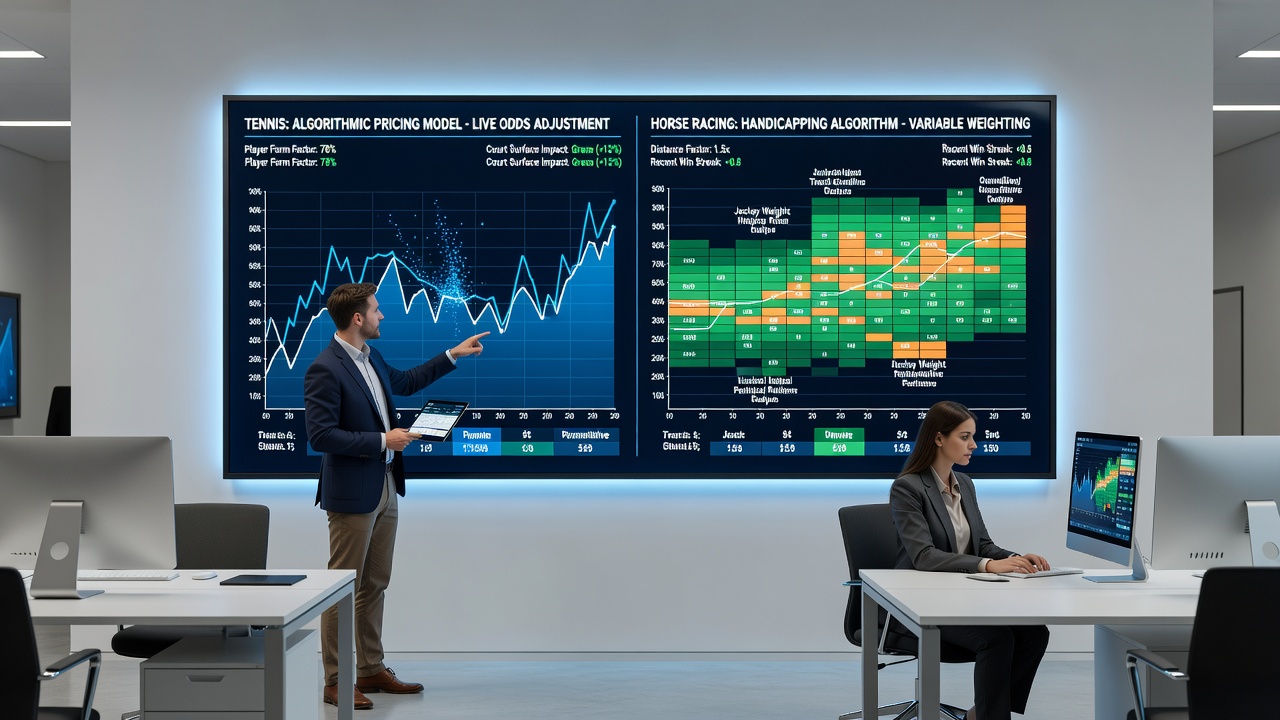
UK bookmakers rely on algorithmic pricing models that process vast datasets to set odds for tennis match outcomes and horse race handicaps, with these systems operating continuously in real-time comparison environments where multiple platforms display shifting prices side by side. Data from industry reports shows that machine learning components analyze player statistics, court surface conditions, historical head-to-head records, and live betting volumes to generate initial prices before human oversight adjusts them for market movements. Researchers at the University of Sydney have documented how these models incorporate weather forecasts and injury reports within seconds of new information becoming available, which allows bookmakers to maintain margins while responding to external factors.
Core Components of Tennis Outcome Pricing
Models for tennis matches integrate serve percentages, break point conversion rates, and fatigue indicators derived from recent tournament schedules, yet they also factor in variables such as travel time between events and past performance on specific court speeds. In November 2026, updates to several major UK platforms incorporated enhanced tracking of rally lengths and point durations pulled from official ATP and WTA feeds, which refined probability estimates for set and match winners during ongoing play. Observers note that comparison sites aggregate these adjusted odds from multiple bookmakers, revealing small discrepancies that arise when one algorithm weights recent form more heavily than another.
Handicap Calculations for Horse Racing
Horse race handicaps employ separate algorithmic layers that evaluate official ratings, weight carried, distance preferences, and trainer form over specific periods, while real-time feeds from racecourses update going descriptions and non-runner declarations instantly. These systems cross-reference pace maps generated from previous races at the same track, then apply regression techniques to forecast finishing positions under varying field sizes. Studies from the Australian Gambling Research Centre reveal that such models reduce manual intervention by approximately 70 percent compared with pre-algorithm eras, although final prices still undergo review before markets open.
Real-Time Comparison Environments
Comparison platforms pull live feeds from multiple UK bookmakers and display them in unified interfaces, which forces algorithmic systems to compete on speed and accuracy as punters scan for value across tennis and racing markets simultaneously. When a tennis set enters a tiebreak or a horse race approaches the final furlong, price changes propagate across sites within fractions of a second, creating brief windows where odds diverge before synchronization occurs. Experts have observed that these environments reward models capable of rapid recalibration based on in-play data streams, including point-by-point scores and sectional timing figures from races.
Integration Challenges and Data Inputs
Both sports present distinct data challenges because tennis outcomes hinge on discrete events like aces and double faults, whereas horse racing handicaps depend on continuous variables such as sectional splits adn jockey tactics. Bookmakers therefore maintain parallel model architectures that merge structured statistics with unstructured inputs like social media sentiment around player motivation or trainer comments. According to figures released by the American Gaming Association, algorithmic refinements in comparable markets have improved pricing precision by measurable margins since 2023, although exact UK-specific gains remain proprietary. Platforms handling both tennis and racing must also account for overlapping event schedules that spike overall betting volumes and test system latency during peak periods.
Regulatory and Technical Oversight
UK operators embed compliance checks within their pricing engines to flag unusual movements that could indicate external influence, and these safeguards operate alongside the core algorithms without interrupting real-time updates. Technical teams monitor model drift by comparing predicted probabilities against actual results over rolling windows, then retrain components when deviations exceed predefined thresholds. In November 2026, several firms reported deploying cloud-based scaling that handles simultaneous surges across tennis Grand Slam sessions and major festival race meetings, ensuring comparison environments remain stable under load.
Conclusion
Algorithmic pricing models continue to evolve as data sources multiply and comparison tools grow more sophisticated, shaping how UK bookmakers present tennis match outcomes and horse race handicaps to users who scan multiple sites in real time. The interplay between automated calculations and live market feedback produces the dynamic odds landscape visible across platforms, with each sport demanding tailored approaches that balance speed, accuracy, and regulatory requirements.