Analyzing the Effects of Player Transfer Windows on Future Contract Pricing in Association Football and Equestrian Disciplines
Sam Koch · Sep 16, 2026
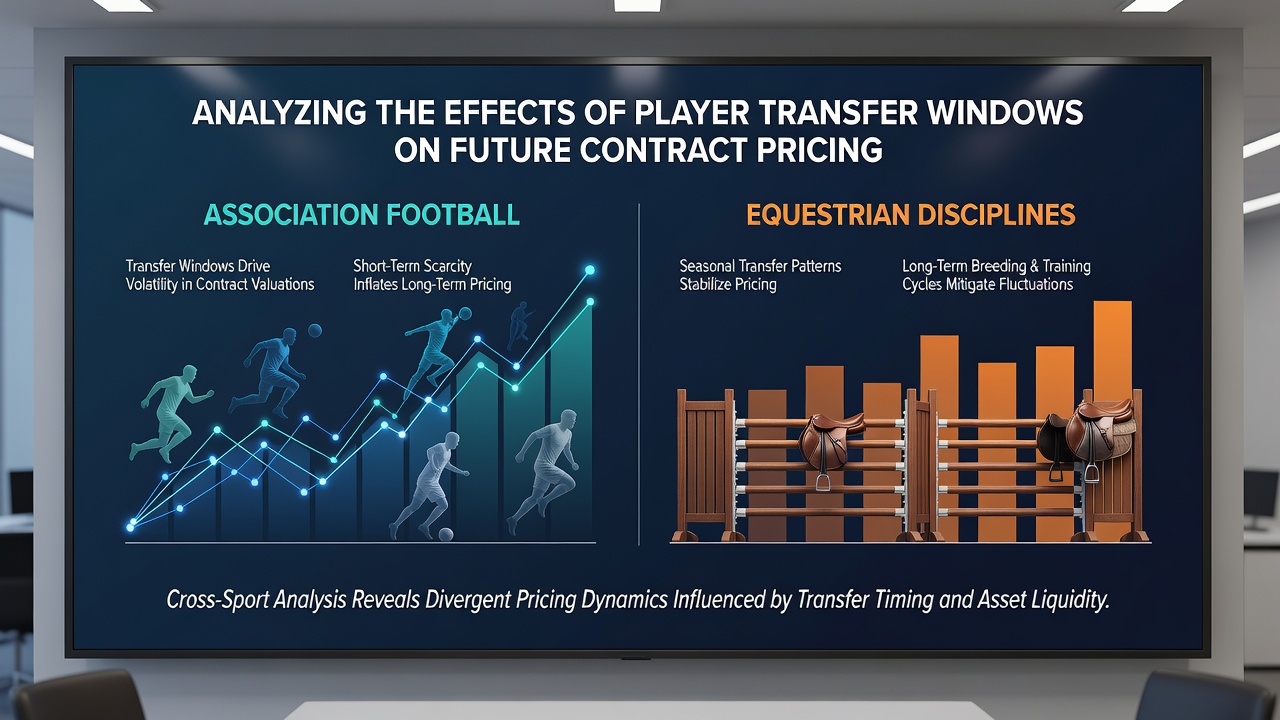
Analyzing the Effects of Player Transfer Windows on Future Contract Pricing in Association Football and Equestrian Disciplines
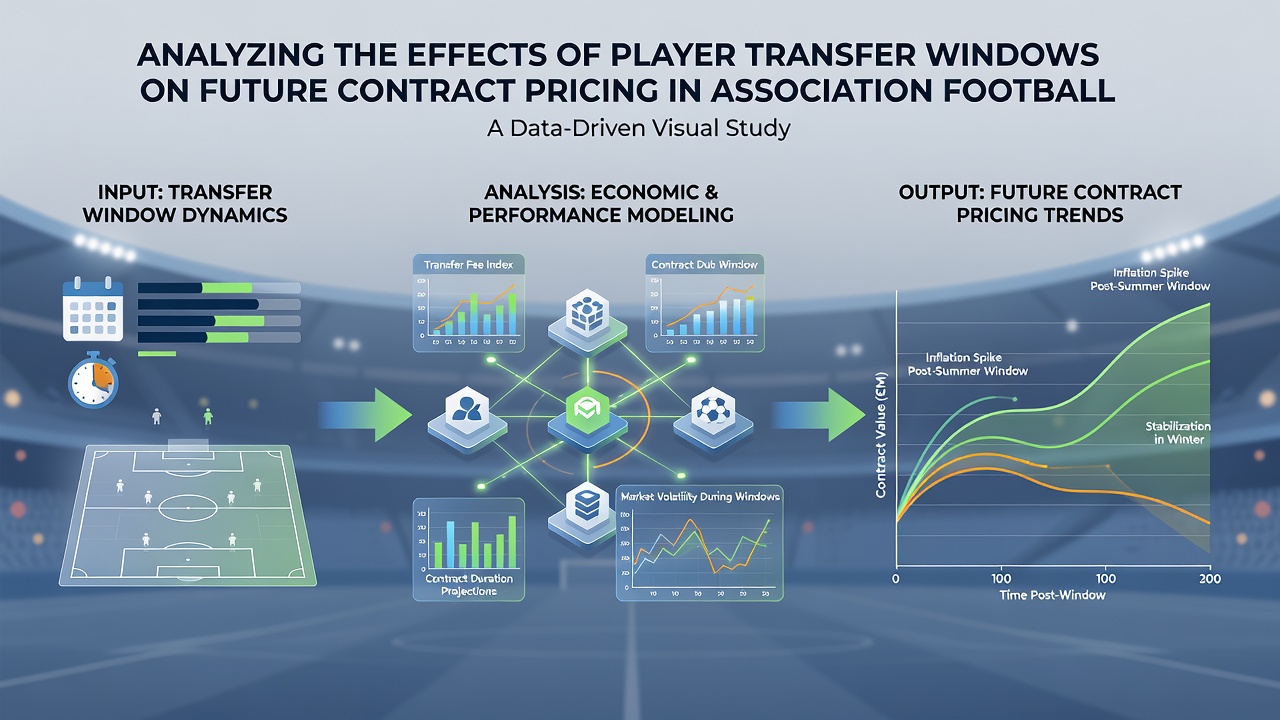
Transfer windows in association football operate under FIFA regulations that restrict player movements to two annual periods, typically spanning June to September and January, which creates defined timelines for clubs to negotiate deals and set contract values accordingly. These windows influence future pricing because clubs must finalize agreements within limited windows or face extended waiting periods, leading to data from multiple European leagues showing average salary increases of 12 to 18 percent for deals completed near deadlines compared to those negotiated earlier in the cycle. Observers note that scarcity during the final weeks of each window drives up fees as teams compete for remaining available talent, with historical figures from the Premier League and Serie A indicating that post-window contract extensions often carry premium clauses tied to performance milestones.
Mechanics of Football Transfer Windows and Contract Valuation
Football governing bodies established the current window system in 2002 to stabilize squad planning, yet this framework produces measurable effects on compensation structures because agents and clubs factor in the risk of missing subsequent windows when bargaining. Research from sports economics departments at universities across North America and Europe reveals that players signed in the winter window command higher base salaries on average than those secured during the summer period, largely due to fewer available alternatives and the immediate competitive needs of mid-season squads. And while summer windows allow more time for scouting and negotiation, the data shows compressed timelines in January correlate with accelerated pricing adjustments that carry forward into multi-year deals.
Data Patterns Across Major Leagues
League records from 2018 through 2025 demonstrate consistent upward pressure on contract values when transfers occur late in a window, with midfielders and forwards experiencing the largest adjustments because positional demand remains high across top divisions. Those who've examined UEFA club licensing reports find that clubs operating under financial constraints often defer signings until windows close, resulting in renegotiated terms that include elevated release clauses and image rights payments spread over future seasons. The reality is that these patterns hold across both men's and women's professional football, although sample sizes for women's leagues remain smaller and show similar directional trends without equivalent scale.
Parallel Structures in Equestrian Contract Timing
Equestrian disciplines governed by the Fédération Equestre Internationale apply analogous restrictions on rider and horse pairings during competition seasons, which affects how owners and riders structure compensation agreements around major events. Transfer-like movements of horses between stables peak before events such as the Olympics or World Equestrian Games, creating pricing spikes that mirror football dynamics because limited availability during peak periods forces buyers to accept higher valuations or wait for subsequent cycles. Studies conducted by Australian and Canadian research institutions on equine sports economics indicate that contracts finalized in the months leading into September events carry forward pricing premiums of 15 to 22 percent compared to off-season agreements, driven by the need to secure competitive mounts before qualification deadlines pass.
Observers tracking FEI data note that rider contracts in disciplines like eventing and show jumping incorporate window-style clauses tied to calendar events, where compensation escalates when negotiations extend into the final months before key competitions. The ball's in the owners' court during these periods, and figures from international governing bodies show that multi-year agreements signed after September qualifiers often include performance-based escalators that reference prior window outcomes. What's significant is how these timing constraints interact with insurance and veterinary valuations, which themselves rise when demand concentrates around fixed dates.
Comparative Effects on Future Pricing Models
Both sports exhibit similar forward-looking contract adjustments because window restrictions limit the pool of available assets at any given moment, prompting negotiators to embed future protections such as buy-back options and salary reviews. Academic analyses published by European sports management programs demonstrate that football clubs and equestrian teams alike experience carryover effects into the next cycle, with pricing benchmarks established during one window serving as reference points for subsequent negotiations. And yet distinctions appear in enforcement mechanisms, since football relies on registration deadlines enforced by national associations while equestrian rules center on competition eligibility calendars set by international federations.
Those studying longitudinal data across both fields find that external economic factors, including inflation and sponsorship cycles, amplify window-related pricing effects, particularly when September periods coincide with broader market shifts. Evidence from industry reports compiled by organizations in the United States and the European Union indicates that clubs and stables adopting proactive scouting outside windows achieve more stable contract pricing over time, although this approach requires sustained investment in scouting networks. The writing's on the wall for organizations that ignore these patterns, as repeated late-window activity correlates with higher overall payroll commitments across multiple seasons.
Conclusion
Transfer windows shape contract pricing in association football and equestrian disciplines through enforced scarcity and deadline pressure, producing measurable increases in compensation that persist into future agreements. Data collected by regulatory bodies and academic researchers across multiple continents continues to document these effects, while governing organizations maintain the systems that generate them. Patterns observed through 2025 suggest ongoing relevance for planning in September 2026 and beyond, as both sports integrate timing constraints into standard valuation practices.