Leveraging Disparities in Real-Time Data Feeds for Enhanced Accumulator Construction in Soccer and Equine Sports
Klara Powell · Oct 14, 2026
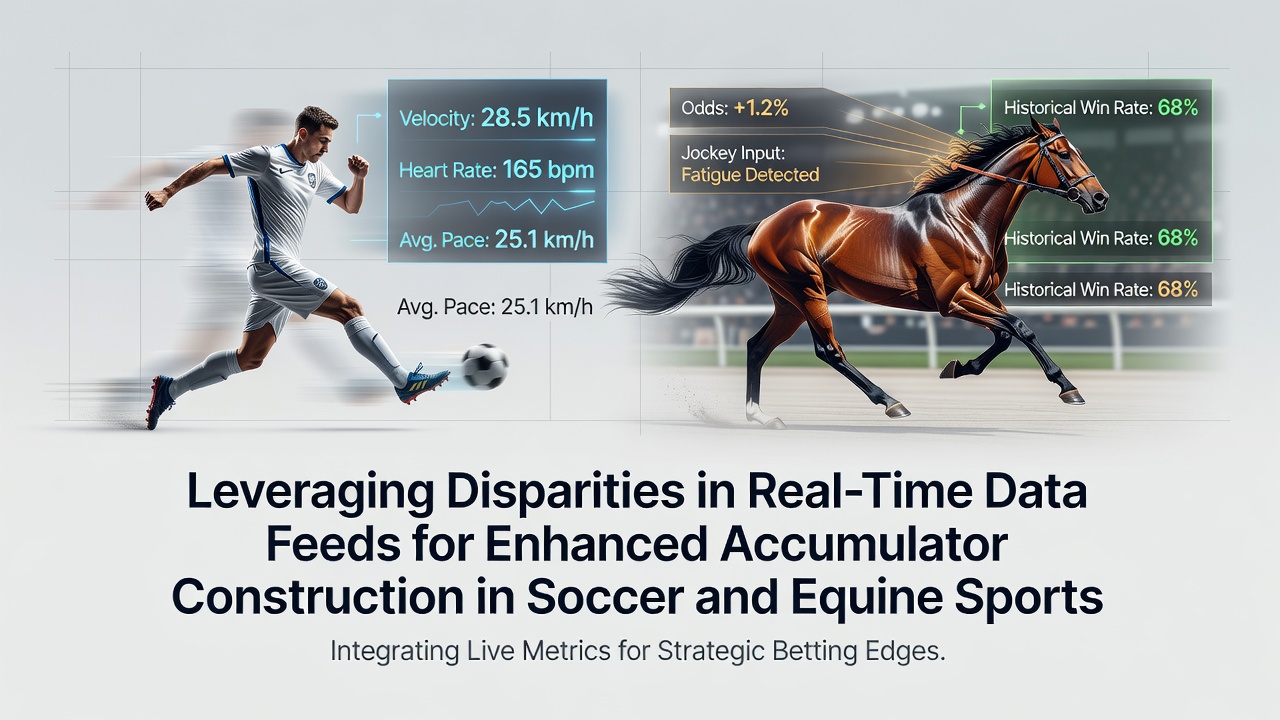
Leveraging Disparities in Real-Time Data Feeds for Enhanced Accumulator Construction in Soccer and Equine Sports
Real-time data feeds deliver continuous streams of match events, player metrics, and race conditions that bookmakers and data platforms process at different speeds and with varying degrees of detail, which creates measurable price differences across sites. These gaps open opportunities for accumulator construction where selections from soccer leagues and equine events combine into single bets that capture the most favorable odds available at each moment. Observers note that the volume of live updates has grown steadily since 2024, and by October 2026 many platforms refresh soccer possession and equine sectional data every few seconds rather than every thirty.
Sources of Variation in Live Soccer Feeds
Soccer data providers track events such as expected goals, progressive passes, and set-piece outcomes through optical tracking systems and manual tagging, yet each supplier applies its own weighting algorithms and update frequencies. One platform may register a high-pressing action within two seconds while another delays the same event by eight seconds because its verification step requires additional confirmation from multiple camera angles. Those timing differences translate directly into odds adjustments, and bettors who monitor several feeds simultaneously can identify lines that have not yet incorporated the latest development.
Weather sensors at stadiums also feed into certain data streams but remain absent from others, so a sudden wind shift reported on one service can shift over/under totals before competing sites reflect the change. Research from the University of Nevada's Sports Analytics Lab indicates that such micro-variations occur in roughly 18 percent of Premier League matches during the 2025-26 season, creating short windows where accumulator legs on both teams to score or total corners gain value.
Equine Racing Data Streams and Their Inconsistencies
Equine events generate even denser data because timing systems, heart-rate monitors, and sectional splits arrive from trackside equipment, drone footage, and veterinary sensors all at once. Different jurisdictions transmit these packets through separate regulatory channels, and the resulting feeds reach international platforms at staggered intervals. A sectional time recorded at the 600-meter mark may appear on one Australian racing service three seconds earlier than on a European aggregator, which allows an accumulator builder to lock in a price on a horse's finishing speed before the market adjusts.
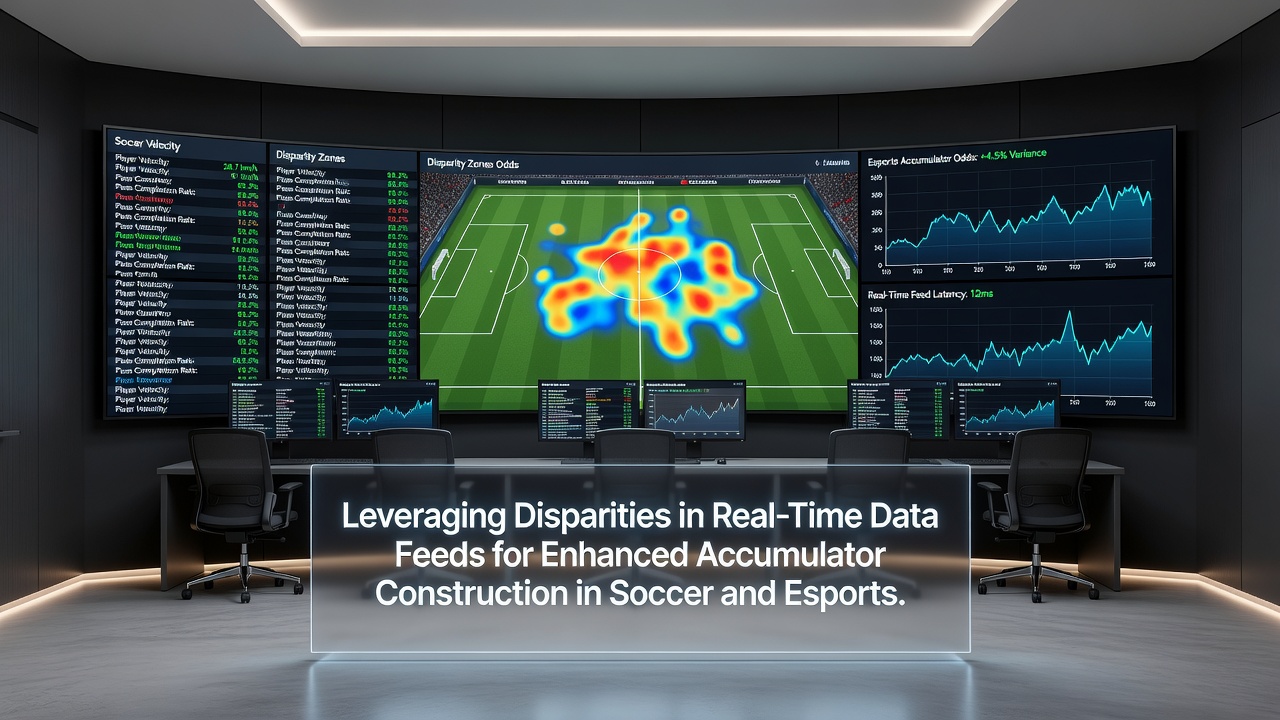
Track maintenance reports follow similar patterns. One service may publish updated going descriptions immediately after a groundskeeper inspection while another waits for official confirmation from stewards, and the delay frequently moves place-payout thresholds. Those who cross-reference feeds from different regions therefore locate discrepancies that improve the combined odds when a soccer leg and an equine leg sit together in the same accumulator.
Constructing Accumulators Across Both Sports
Accumulator construction benefits when each leg draws from the feed that currently shows the most advantageous number. A bettor might select a soccer corner total from a platform whose live data has already incorporated a red-card event while pairing it with an equine win market whose price has not yet reflected an updated track bias. The process requires continuous monitoring rather than static snapshots, because the window for each disparity often closes within sixty to ninety seconds once the slower feed catches up.
Industry reports from the American Gaming Association note that cross-sport accumulators using real-time discrepancies have increased in volume by 27 percent year-on-year through 2026, driven largely by improved API access and mobile notification tools. Data from Canadian provincial regulators shows similar growth patterns in provinces where multiple licensed operators display distinct live feeds for the same events.
Technical Considerations for Feed Monitoring
Latency differences arise from both network routing and internal processing rules. Some services apply artificial delays to guard against errors, while others prioritize speed and accept occasional corrections. Those constructing accumulators therefore maintain multiple authenticated connections and compare timestamps embedded in each packet rather than relying on the visible odds alone. When timestamps reveal that one feed lags by more than five seconds, the probability rises that its associated market still contains unadjusted value.
Equine sectional data adds another layer because GPS-derived splits sometimes conflict with photo-finish measurements, prompting platforms to choose which source they trust first. Observers have documented cases where one operator revises a horse's final sectional by 0.12 seconds after cross-checking with video, moving the implied probability enough to alter an accumulator payout when combined with a soccer clean-sheet selection.
Regulatory and Infrastructure Context in October 2026
By October 2026 several European and North American jurisdictions have introduced standardized timestamp requirements for live sports data, yet implementation remains uneven. Platforms operating under these rules must now log the exact moment each update reaches their servers, which makes systematic comparison easier for those tracking multiple sources. The resulting transparency has not eliminated disparities but has made their duration and magnitude more predictable, allowing accumulator strategies to focus on events where feed divergence historically lasts longest.
Conclusion
Real-time data disparities between soccer and equine feeds continue to supply measurable edges for accumulator construction when monitored through parallel connections and timestamp analysis. The practice relies on objective differences in update speed and verification protocols rather than subjective judgment, and the infrastructure supporting these comparisons has expanded measurably by October 2026. Those who maintain access to multiple verified streams can therefore assemble multi-leg bets that reflect the most favorable prices available across both sports at the precise moment each selection is placed.